

Discovering the ideal ERP system in Malaysia is crucial for businesses seeking efficiency and growth.
This comprehensive guide explores the top features company that use erp system in Malaysia, vendors, implementation strategies, costs, and customer feedback of leading ERP solutions tailored to the Malaysian market.
Gain insights into optimizing your operations with the best ERP system that aligns with your unique business needs and objectives.
Key Features and Benefits
Highlighting the essential features and benefits of the premier ERP system in Malaysia, we delve into a comprehensive solution designed to streamline operations, enhance productivity, and drive growth.
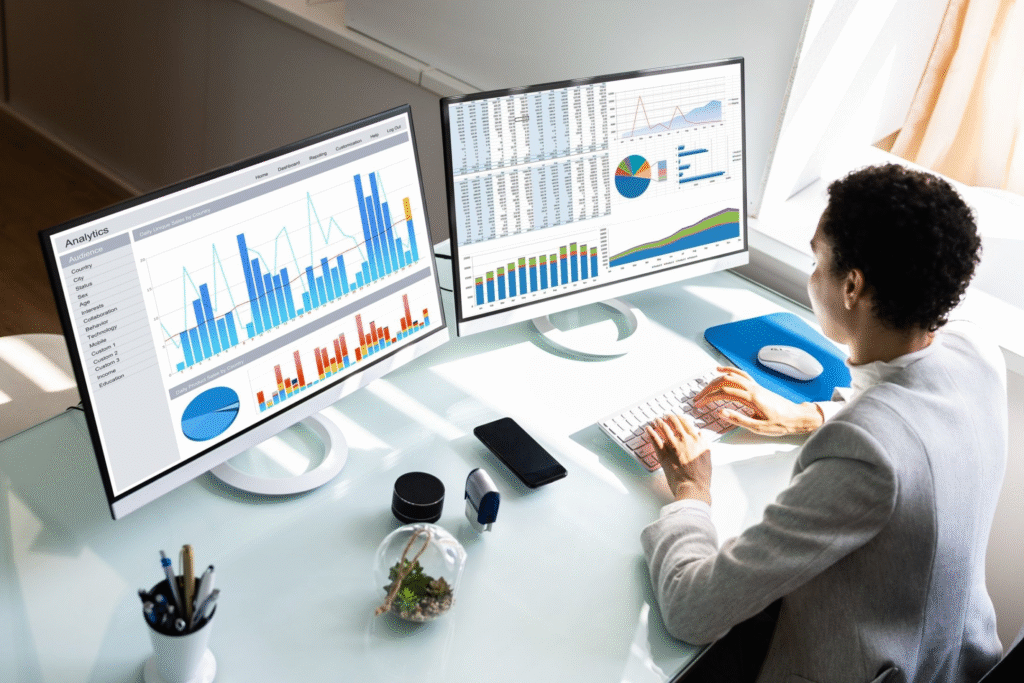
This cutting-edge system offers modules for finance, human resources, supply chain management, and more, providing a holistic approach to business management. With real-time data access, customizable reporting tools, and automated processes, businesses can make informed decisions promptly.
The ERP system promotes collaboration across departments, improving communication and efficiency. Moreover, its scalability allows for expansion as the business grows, ensuring long-term viability.
Top ERP Vendors in Malaysia
An exploration of the top ERP vendors in Malaysia reveals a diverse array of solutions tailored to meet the specific needs of businesses in the region.
Some of the prominent ERP vendors in Malaysia include:
- SAP, which offers robust ERP solutions known for their scalability and integration capabilities.
- Oracle, providing a comprehensive suite of ERP applications suitable for businesses of all sizes.
- Microsoft, with Dynamics offering flexible ERP solutions that can be customized to fit various industries.
- Sage, focusing on providing user-friendly ERP systems that are easy to implement.
- Epicor, specializing in industry-specific ERP solutions, catering to sectors such as manufacturing, distribution, and retail.
Businesses in Malaysia have a variety of options to choose from based on their unique requirements.
Implementation Process and Timeline
The implementation process of an ERP system in Malaysia typically involves detailed planning and coordination across various departments. Initial stages include identifying key stakeholders, defining project scope, and establishing clear objectives.
Once these foundational steps are in place, the system selection and customization phase begins. This stage often requires close collaboration between the ERP vendor and the client to tailor the system to specific business needs. Following customization, rigorous testing ensues to ensure functionality and compatibility.
Training sessions for end-users are crucial for a successful transition. The timeline for ERP implementation varies depending on the complexity of the system and the organization’s size but can range from several months to over a year.
Cost Analysis and Pricing Models
Continuing from the implementation process and timeline, regularly assessing the cost implications and exploring various pricing models is essential when considering an ERP system in Malaysia.
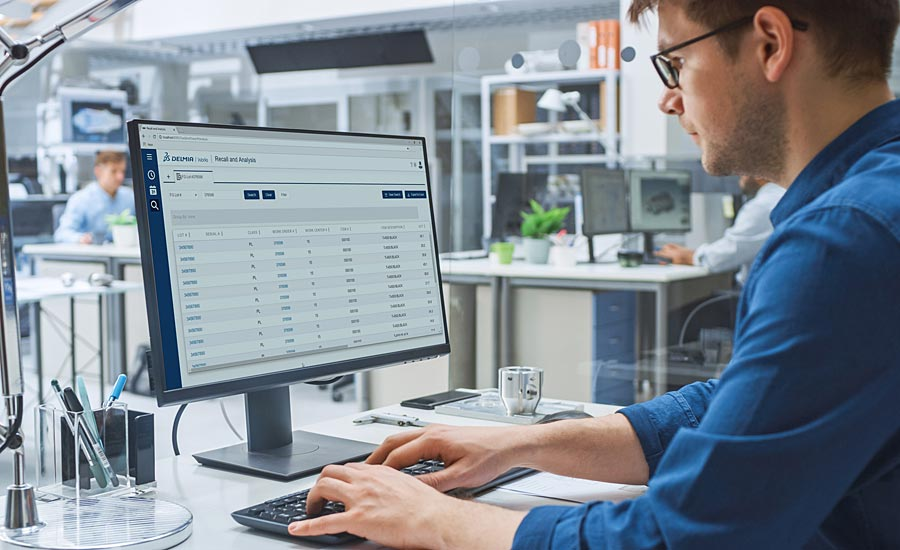
Organizations should conduct a thorough cost analysis to determine the total cost of ownership, including initial setup, customization, training, and ongoing maintenance expenses.
It’s crucial to evaluate the pricing models offered by ERP vendors, such as subscription-based pricing, perpetual licensing, or usage-based pricing, to find the most cost-effective solution that aligns with the organization’s budget and requirements.
Additionally, considering factors like scalability, support costs, and potential hidden fees is vital to ensure long-term financial sustainability and maximize the ROI of the chosen ERP system.
Customer Reviews and Testimonials
When evaluating the effectiveness of an ERP system in Malaysia, it is imperative to consider customer reviews and testimonials. These insights offer valuable real-world perspectives on how well the system performs in actual business environments.
By examining customer feedback, businesses can gain a clearer understanding of the system’s strengths, weaknesses, and overall user satisfaction. Positive reviews highlighting seamless integration, user-friendly interfaces, and efficient support services can provide reassurance to potential buyers. Conversely, negative feedback pointing out issues such as system downtime, poor customer service, or complex interfaces can serve as cautionary flags.
Conclusion
In conclusion, the ERP system market in Malaysia offers a variety of top vendors with key features and benefits to streamline business operations.
The implementation process and cost analysis are crucial factors to consider when choosing the best ERP system for your organization.
Customer reviews and testimonials can provide valuable insights into the performance and reliability of these systems.
It is important to carefully evaluate all aspects before making a decision on the best ERP system for your business needs.